Monday, October 29, 2018

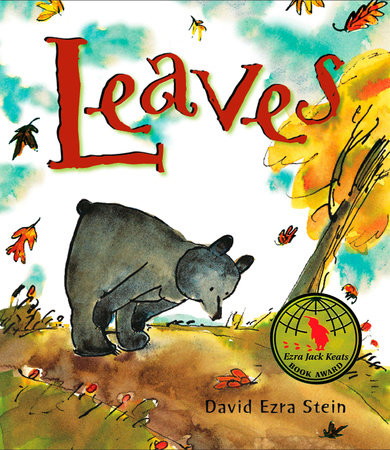
"Leaves" by David Ezra Stein

Leaves by David Ezra Stein


"Leaves" 

by David Ezra Stein

30 pages /  Print / Fantasy

Summary: A bear encounters falling leaves during an afternoon stroll. It tries to catch them all before they fall to the ground. The bear becomes overwhelmed and decides to put all the leaves in a hole in the side of the hill. The bear then enters the hole and stuffs it closed. The bear stays in there for the winter, warm and safe. Winter passes and Spring comes, when the bear awakes and greets the new season.

Evaluation: This book is a simple yet effective way to teach young learners about animals that hibernate. The images play along with the text, adding a clear explanation for bears and hibernation. This book could be used as an introduction to a unit on bears, hibernation, or Fall.

Appeal Terms: animal, easy, heartwarming, gentle, well developed

"Pumpkin Soup" by Helen Cooper


"Pumpkin Soup" 

by Helen Cooper

32 pages /  Print / Fantasy

Summary: A duck, a cat, and a squirrel all live together in a cabin in the woods. They make soup together and they all have a job to do. Squirrel stirs the soup, cat slices the pumpkin, and duck adds the salt to the pot. Everything is going fine until the duck decides that it wants to stir the soup. Duck carries the stirring spot to squirrel and asks, but squirrel does not want it to stir the soup. They both pull the spoon but it slips out of their hands and hits the cat. They all get in a fight about the soup and the duck decides to leave the house. Cat and squirrel feel bad so they go out and look for the duck. They search for hours but cannot find duck. Approaching the house after their search, they notice duck has come back. They let duck stir the soup but it makes a mess. Everyone is just happy to have each other.

Evaluation: An adorable telling of a group of animal friends that use teamwork to make pumpkin soup. This books explores themes of trying something new, and being accepting of others. Students and teachers can talk about the impact of actions and words and how they affect others. Trying something for the first time and failing is another theme, an important one to discuss with young learners.

Appeal Terms: animal, lively, heartwarming, plot centered, introspective

Tuesday, October 23, 2018

"The Mystery of the Haunted Farm" by Elys Dolan


"The Mystery of the Haunted Farm" 

by Elys Dolan

34 pages /  Print / Sci-Fi

Summary: Farmer Greg calls the pig ghost hunters to investigate paranormal activity at his farm. There are zombie ducks, mummy sheep, ghost cows, and a Dracula horse. The pigs aren't registering any paranormal activity on their ghost machines, which lead them to look more closely at the haunted animals. As it turns out, the animals are all pretending to be haunted by dressing up in scary costumes. They are trying to scare away a werewolf, which actually turns out to be farmer Greg! The pigs tame Werewolf Greg and enter him into a dog/werewolf competition. Werewolf Greg wins the competition and the farm is at peace once again.


Evaluation: This is an adorable book that fits nicely into a Halloween themed lesson. Readers can play detective along with the pigs. Little clues are left on each page that makes the reader realize that the animals are not really haunted. Teachers can talk to students about these clues and encourage them to share their opinions. Werewolf Greg turns out to be a nice monster, which is good for students that are afraid of monsters.

Appeal Terms: spooky, creepy, ghost story, breakneck, humorous, event oriented, plot twist, resolved ending

"Far Out Fairy Tales : Hansel and Gretel and Zombies" by Benjamin Harper

   
Buy Hansel & Gretel & Zombies: A Graphic Novel by Benjamin ...


"Far Out Fairy Tales : Hansel and Gretel and Zombies" 

by Benjamin Harper

40 pages /  Print / Graphic Novel

Summary: Zombie Hansel and Zombie Gretel's parents send them out in the woods to find brains of a tourist to bring back to eat. The parents dress them up in "human" costumes to trick tourists into helping them find their way back home. A witch sees them walking in the forest and she puts on her "human costume" to trick them into her candy house. The witch tricks Hansel into a cage by baiting him with brains. Hansel is fed brains so he can become nice and fat to eat Gretel is chained up and kept as a slave to do housework. The witch asked Gretel to light the oven, but then Gretel locks the witch in the oven. Instead of burning the witch, Gretel bites her and turns her into a zombie. Now all three of them are hungry for brains. The witch reveals that Hansel was not eating real brains, but rather "soy-based brains".  The witch returns the children to their parents. They all live together happily in the forest eating "soy-based brains".

Evaluation: This book is perfect for Halloween or teaching fractured fairy tales. There is a section in the book that explains the differences from the original Hansel and Gretel fairytale. The author also includes some reason comprehension questions to help the reader understand the plot. Kids love zombies these days, and the dialogue is very funny for readers. The story is short so readers can finish it in one sitting and feel accomplished that they read a book.

Appeal Terms: fairy tale, dark, humorous, magical, creepy, spooky, plot twists

"I Spy: Spooky Night" by Walter Wick and Jean Marzollo


"I Spy: Spooky Night" 

by Walter Wick and Jean Marzollo

40 pages /  Print / Realistic

Summary: Spooky rhymes challenge readers to find clues in the pictures on the page. The theme of this book is "spooky nights". Readers explore a haunted mansion and a graveyard to find creepy items like ghosts, skeletons and other things that go bump in the night.

Evaluation: Students love reading these books with a find, which is a postivie thing to see in a library. Adding this book to a library display with ensure that it gets checked out just around Halloween time. Reading the text and making connections with the illustrations is a skill that readers need to development.

Appeal Terms: engrossing, creepy, spooky, thought provoking

Tuesday, October 16, 2018

"Shark Dog" by Ged Adamson


"Shark Dog" 

by Ged Adamson

40 pages /  Print / Science Fiction

Summary: A girl has a dad that is a famous explorer. They land on an island one day and the girl befriends a Sharkdog. The Sharkdog does dog things like a shark, and shark things like a dog. Everything is going well until one day Sharkdog gets sad because it misses its friends and family. The girl and her father return the Sharkdog to its home. The girl and dad start sailing away but Sharkdog starts swimming after them. In the end, Sharkdog prefers its new family (the girl and father) as opposed to its own family.

Evaluation: This is a gentle and heartwarming story of friendship, new surroundings, and family. Some students that are separated from their family might feel a connection to Sharkdog and theloneliness it feels. Sharkdog teaches that we can find comfort and happiness in new situations and new relationships. Sharkdog is also a combination of two very popular and well liked animals for children, thus motivating young readers to choose this story to read.

Appeal Terms: animal, science fiction, easy, heartwarming, gentle, family centered, hopeful

"Pete's a Pizza" by William Steig


"Pete's a Pizza" 

by William Steig

34 pages /  Print / Realistic

Summary: Pete is not having a good day because it is raining and he cannot go out to play. Pete's dad decides to make him feel better by helping Pete use his imagination to keep him entertained. Pete lies on a couch and dad pretends that Pete is pizza dough. After kneading and tickling Pete, dad puts some "pizza ingredients" (household items) on Pete and then pretends to bake him in an imaginary oven. Pete thinks all of this is so fun and forgets about his troubles. In the end, the sun comes out and Pete can finally go outside to play.

Evaluation: This book has already sparked many after-reading extension activities for young readers that involve them pretending to be Pete and his dad (sprinkling fake cheese, pepperoni and tomato sauce over someone). I think this book is a good lesson for children to teach them that our imagination is a great gift and we should use it more often. It also teaches children to take a bad situation and make a good one out of it. Everyone can relate to Pete's woes of not being able to go outside, but we can all learn from his father's idea of using imagination.

Appeal Terms: realistic, easy, leisurely, humorous, heartwarming, gentle, family centered